
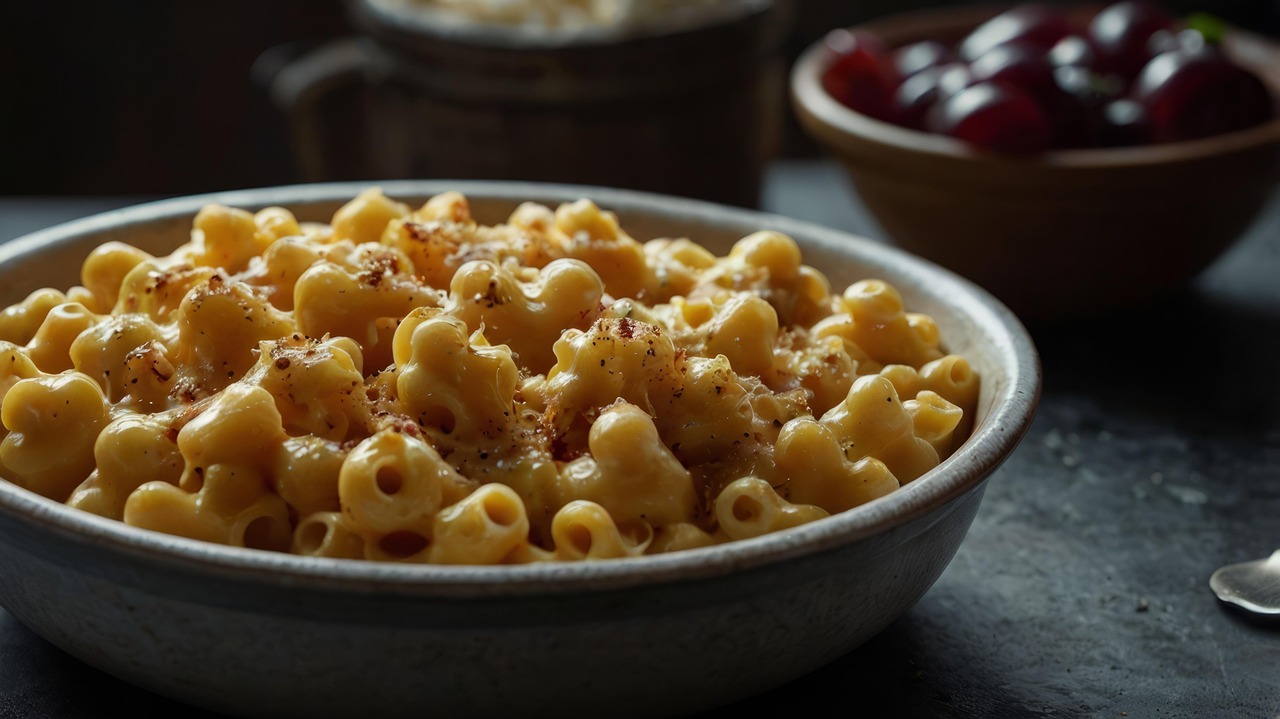
When most people think of American comfort food, creamy, cheesy macaroni bubbling in a casserole dish isn’t far behind. But beneath the warmth and nostalgia lies a deeper — and often overlooked — story of how this beloved dish helped shape American culinary identity.
From European Pasts to American Plates
- Versions of pasta with cheese stretch back centuries: in medieval Europe, recipes for pasta-and-cheese (or cheese-dressed noodles) existed under names like makerouns.
- Over time, the idea evolved — but it was in the United States that macaroni and cheese, as we know it today, gained its distinctive character.
The Chef Behind the Classic: James Hemings
What many food lovers don’t realize is that the American rise of macaroni and cheese traces back to a seldom-celebrated yet pivotal figure: James Hemings. Quoted from the BBC, here are some interesting things about the history of this delicious food:
- In 1784, when Thomas Jefferson — not yet president — was posted as U.S. minister in France, he brought Hemings with him to train in French culinary arts. There, Hemings mastered techniques such as sauce-making, baking, and refined cooking methods including gratin.
- After returning to America, Hemings became Jefferson’s head chef and introduced dishes influenced by French cuisine — among them a baked pasta-with-cheese that laid the foundation for what we now know as macaroni and cheese.
- In an era when many American meals were prepared simply over open fires or hearths, Hemings’ refined, stove-based cooking made him a culinary innovator whose influence spread across elite kitchens — and eventually into widespread American dining habits.
Evolution Through Time: Then to Now
Over the centuries, macaroni and cheese underwent many transformations:
- From a refined pasta-cheese bake in the 18th century to a comfort-food staple in mid-20th-century American homes.
- The rise of mass-produced convenience versions such as Kraft Dinner helped cement its status as an affordable, quick, and popular meal starting in the 1930s.
- Today, it lives many lives — from humble boxed dinners to gourmet renditions with multiple cheeses, add-ons like lobster or truffle, and artisan bakes in upscale kitchens.
Why It Resonates — More Than Simple Comfort

Macaroni and cheese stands out not just because it’s tasty, but because it embodies several deeper themes:
- Cultural convergence: A dish rooted in European pasta-and-cheese traditions, transformed by a Black enslaved chef trained in French cooking, and reinvented through American industrial food culture.
- Adaptability: It evolves easily — from humble, budget-friendly meals to indulgent, gourmet creations — reflecting changes in American society, economy, and taste.
- Shared identity and nostalgia: For many Americans (and increasingly, people abroad), it evokes childhood dinners, home-cooked warmth, and a sense of belonging.

A Must-Try — Even for Travelers
If you ever visit the United States — or find a restaurant that serves a thoughtful, house-made macaroni and cheese — give it a try. But don’t just taste cheeses and pasta. Remember: you’re tasting a living piece of culinary history, shaped by migration, ingenuity, and reinvention.
In every creamy bite, there’s heritage, adaptation, and survival — a dish that tells part of America’s story, one spoonful at a time.
typical american food, american dishes, american cuisine, foodie, yummy, delicious, foodlover, foodstagram, instagood, foodgasm, cooking, chef, cheflife, restaurant, recipes, baking, foodblogger, foodphotography, eating, foodstyling, healthyfood, vegan, vegetarian, cleaneating, nutrition, plantbased, glutenfree, breakfast, lunch, dinner, brunch, dessert, sweet, streetfood, foodadventure, foodchallenge, foodtrends, gastronomy, finedining, instafood, foodporn, eatlocalfarmtotable, comfortfood, seafood