
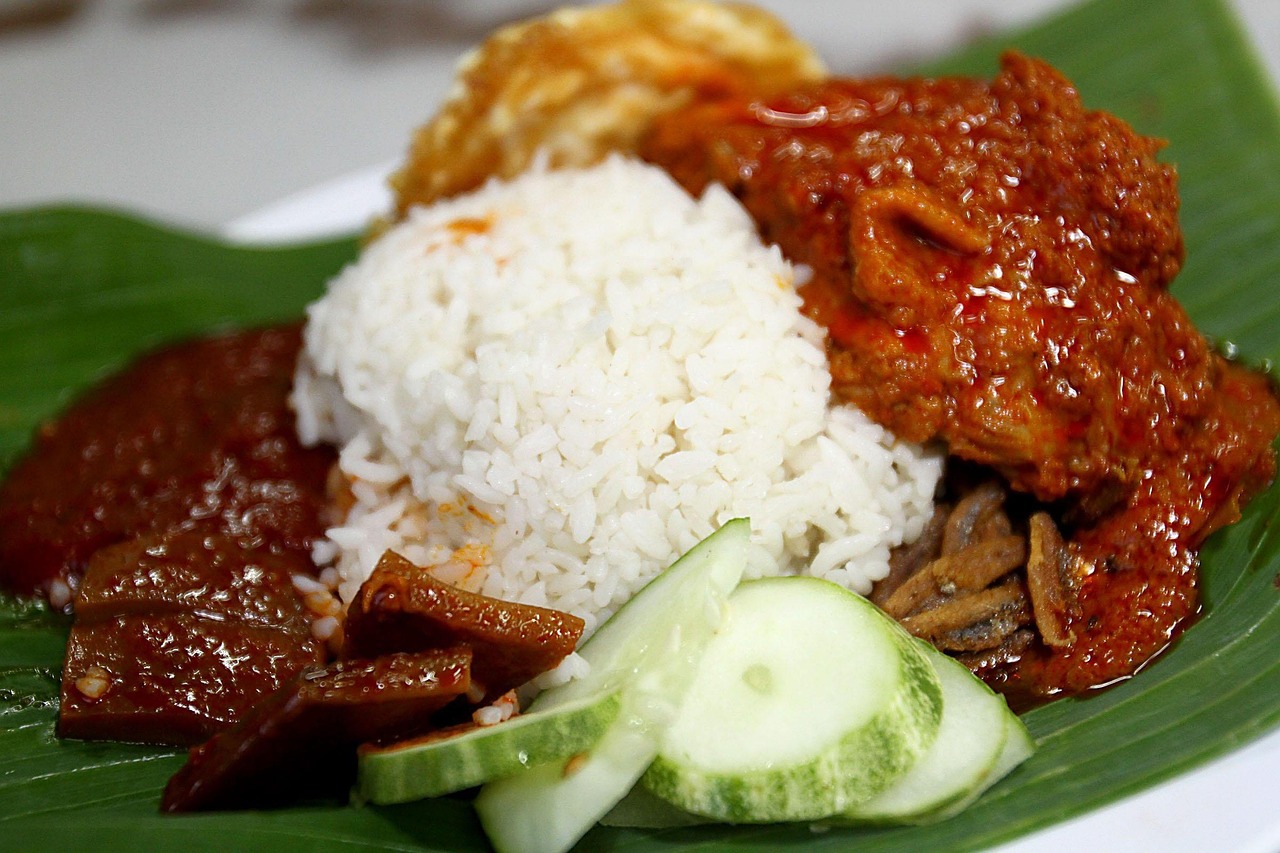
If there is a single dish that captures the soul of Malaysia, it is nasi lemak. Long before you even see it, you smell it—an unmistakable perfume of coconut milk, pandan leaves, and warm rice drifting through dawn marketplaces, roadside stalls, and the kitchens of kampung homes. For travelers, nasi lemak is not just a meal; it’s an edible invitation into the cultural heartbeat of the country.
A Breakfast that Became a Legend
Traditionally a humble breakfast for farmers, nasi lemak was designed to sustain long hours of labor: creamy rice cooked in coconut milk, a fiery sambal, fried crispy anchovies, toasted peanuts, and a hard-boiled egg—all packed in a banana leaf pyramid. Over time, this modest bundle evolved into a national icon, celebrated from Penang to Johor Bahru.
Today, it’s not just Malaysia that claims it. Singapore, Brunei, and southern Thailand all boast their own variations. But the essence remains universal: comfort, simplicity, and flavor that lingers.
A Journey Through Stalls and Cities
Travelers often discover nasi lemak at dawn, when the sky is still lavender and streets begin to hum. In Kuala Lumpur, the legendary stalls near Kampung Baru see daily queues of office workers, students, and curious visitors. Here, sambal is taken very seriously—sweet at first, followed by a slow-building heat that insists on your attention.
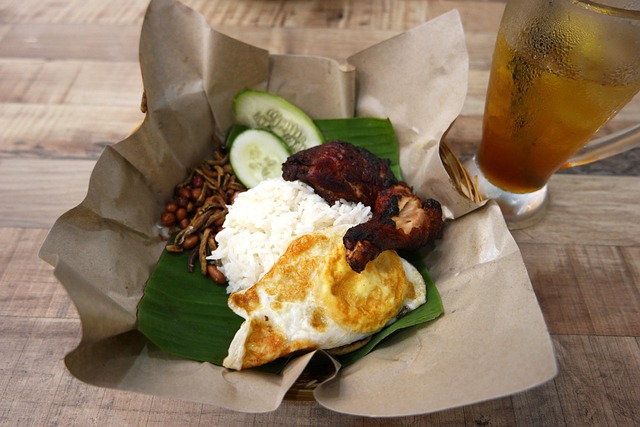
Head north to Penang and you’ll find nasi lemak with Chinese influences—lighter, slightly sweeter sambal, and sometimes a side of crispy fried chicken that has locals swearing by their favorite auntie-run stand. Down south in Johor, the sambal is darker, richer, often smoky with dried chili.

Where Tradition Meets Reinvention
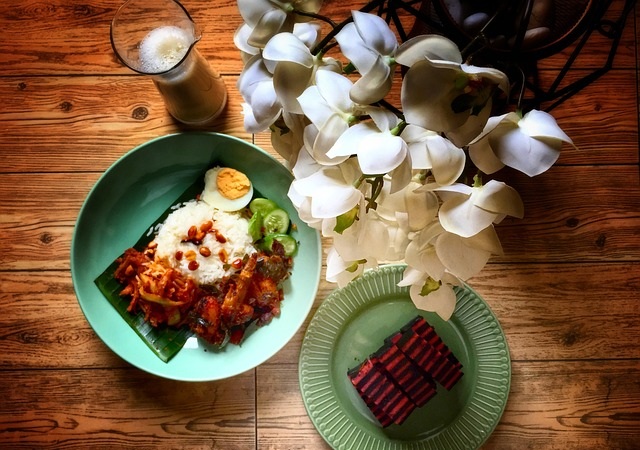
In modern cafés, nasi lemak has transformed into something playful—crispy soft-shell crab perched atop coconut rice, artisanal sambals served in tiny ceramic pots, even plant-based versions that still manage to honor the dish’s spirit. High-end restaurants reinterpret it as deconstructed art, yet the banana-leaf-wrapped version from a roadside vendor remains unbeatable.
A Cultural Connector
Part of the magic of nasi lemak lies in how it unites people. Every Malaysian has an opinion about what makes the “right” sambal or the “proper” amount of crunch in anchovies. Conversations start, friendships form, and debates flourish over humble plates in open-air mamaks and food courts.
How to Experience It Like a Local
- Go early. The best nasi lemak is often sold out before noon.
- Try the sambal first. It’s the dish’s heartbeat, telling you more about the region than any map could.
- Eat it with your hands. If you’re comfortable, it’s the traditional way—and somehow, it makes the flavors bloom fuller.
- Follow the crowd. If you see a long line at a street stall, you’re in the right place.
The Taste You’ll Remember Long After Your Trip
Travelers come for beaches, cities, and rainforests, but they often leave talking about a plate of rice cooked in coconut milk. Nasi lemak is more than a dish—it’s a story. One wrapped in banana leaf, shaped by history, and seasoned with pride.
And when you return home, it’s the memory of that first fragrant bite—warm rice, fiery sambal, crunchy anchovies—that will most vividly transport you back to Malaysia’s bustling mornings and sunlit streets.
Interested in exploring Malaysian cuisine?
Find Top Malaysia Food Tour >>
malaysian dishes, malaysia street food, spicy malaysian food, malaysian cuisine, malaysian breakfast, must-try foods in malaysia